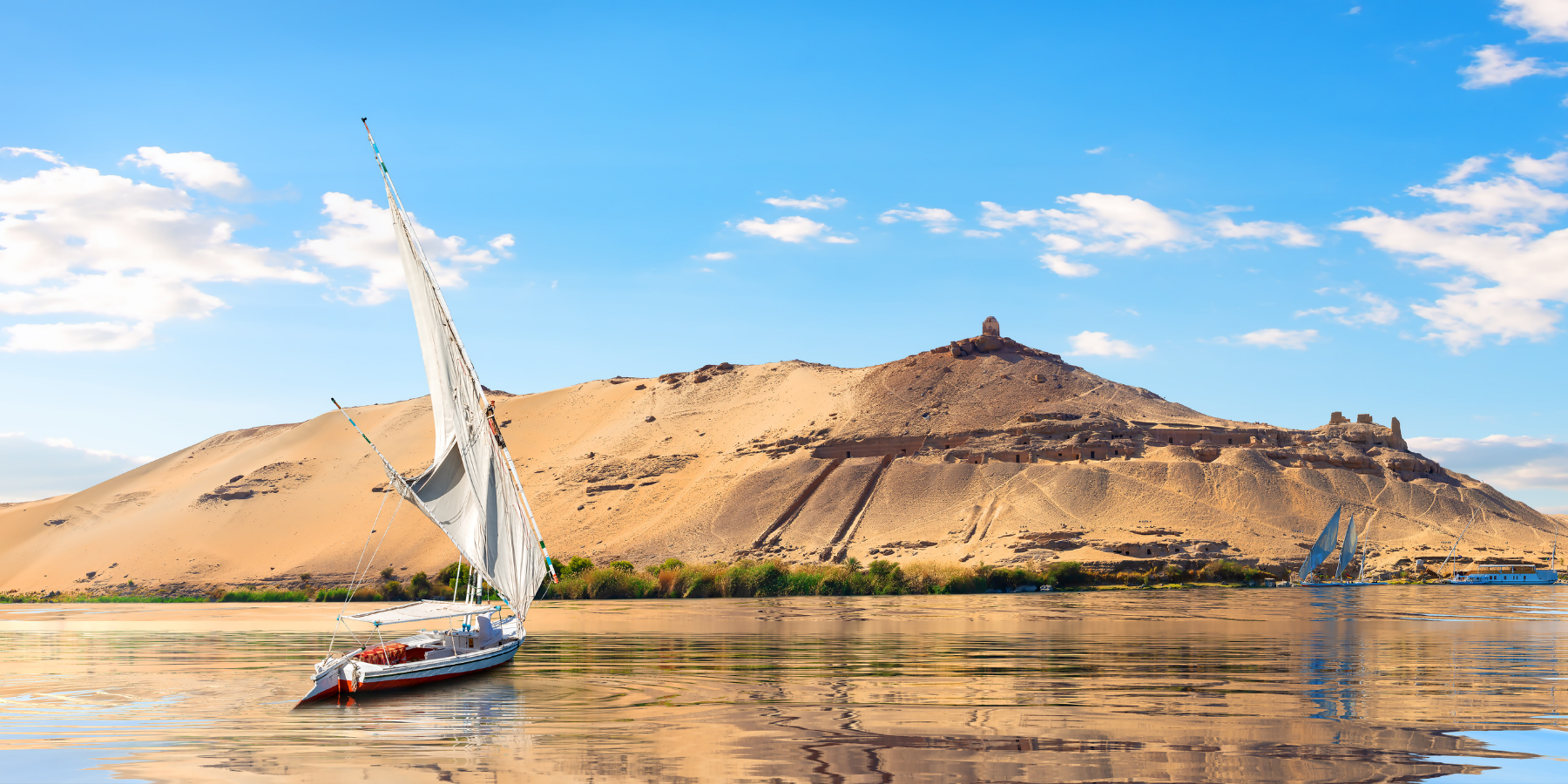
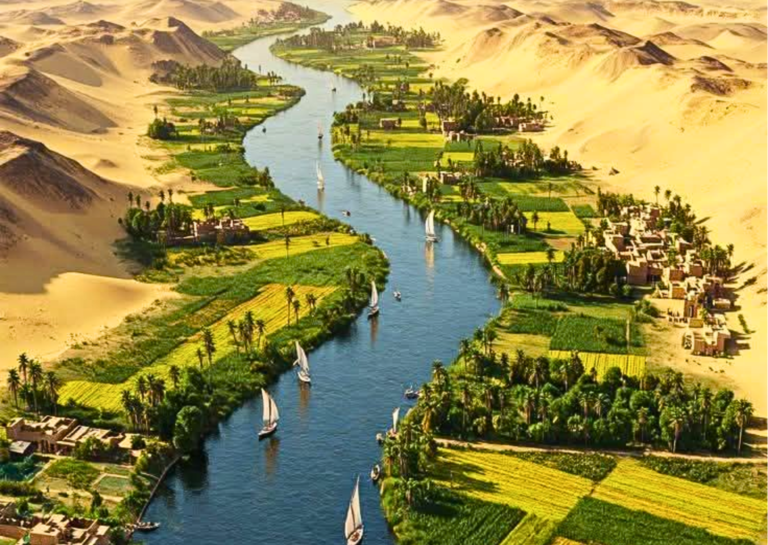
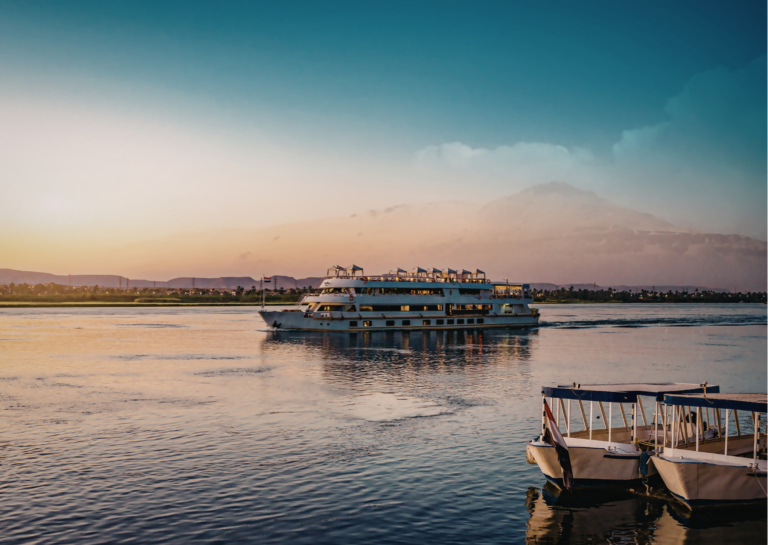
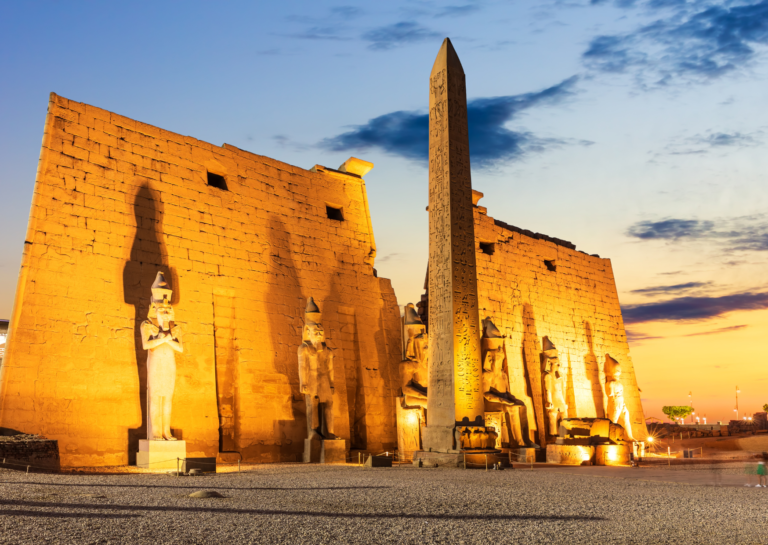
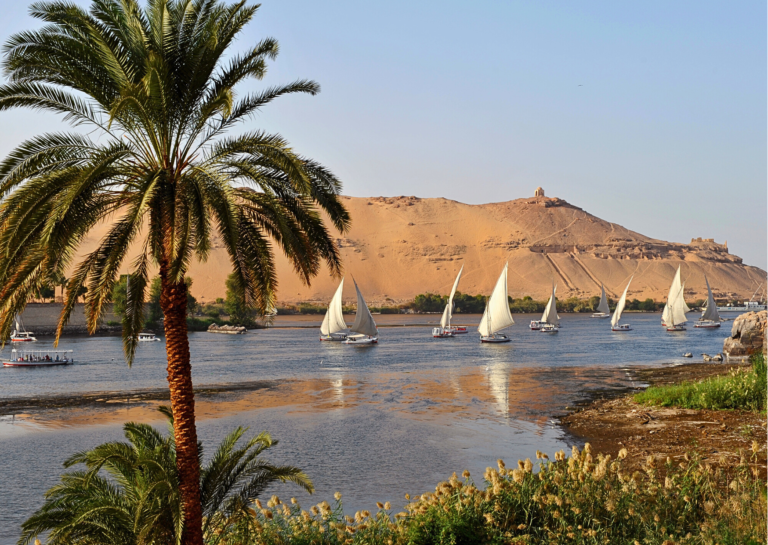
The Nile cruise corridor between Luxor and Aswan puts the major temples within reasonable excursion distance. The ship, therefore, is close at every stop. You are not managing hotel transfers, repacking bags, or navigating transportation logistics between cities. The ship is your base throughout, and it moves while you sleep.
The other reason the cruise works better than a land tour for this particular destination is pace. Egypt’s heat in summer, for instance, can exceed 100 degrees Fahrenheit at the major sites, all of which are outdoors. A cruise built around morning excursions, with afternoons on the ship or at poolside, manages that heat more intelligently. Compare that, then, to an itinerary that keeps you moving city to city through the hottest part of the day.
I have structured my Egypt group trips to take advantage of exactly this. Early starts at the sites. Expert guides who keep explanations focused rather than exhaustive. And enough time to actually absorb what you are seeing, rather than just photograph it.
If you are thinking about Egypt and want to understand what my group trip looks like in practice, I would love to help. Let’s think it through together.
Before you start planning any river cruise, including the Nile, download my complimentary guide. It’s called The Top 10 Mistakes to Avoid When Planning Your River Cruise. It will save you time and help you ask the right questions before you commit.
What is the difference between a Nile river cruise and a European river cruise?
The most significant difference is the nature of what you are seeing from the ship. European river cruises pass through living cities, vineyards, and medieval towns. A Nile river cruise, by contrast, travels between archaeological sites that in some cases have not changed substantially in 3,000 years. The Nile corridor between Luxor and Aswan is also more remote, and more dependent on a well-organized itinerary, than European rivers. That’s why I structure my Egypt trips as guided group experiences rather than independent sailings.
What temples are included on a Nile river cruise?
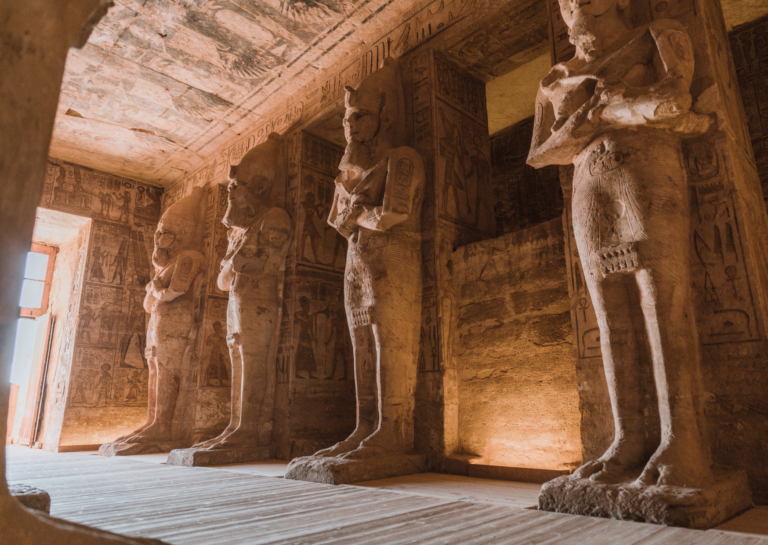
A standard Nile river cruise between Luxor and Aswan typically includes Karnak Temple, Luxor Temple, and the Valley of the Kings. It also typically includes the Temple of Hatshepsut at Deir el-Bahari, Edfu Temple, Kom Ombo Temple, and the Philae Temple complex near Aswan. Many itineraries also offer an optional excursion to Abu Simbel. The specific sites, however, vary by cruise line and itinerary length.
How long does a Nile river cruise take?
Most Nile river cruises run 7 nights on the water, typically sailing between Luxor and Aswan or in reverse. With a Cairo extension at the beginning or end, the full trip runs 10 to 12 days. I strongly recommend this extension — it lets you include the Pyramids of Giza and the Grand Egyptian Museum. I plan my Egypt group trips, therefore, to include adequate time at each stop rather than rushing the itinerary.
Is a Nile river cruise physically demanding?
It depends on how you structure the excursions. The archaeological sites involve significant outdoor walking on uneven terrain, often in heat. The Valley of the Kings, specifically, requires walking between tombs across a sun-exposed plateau. A well-organized group trip builds in appropriate pacing, shaded rest points, and excursion timing that avoids the worst of midday heat. I confirm the physical logistics at every stop before my groups depart, so travelers know exactly what to expect.