River Cruise Girl

French Etiquette: 5 Myths Americans Believe

French

France is one of the most visited countries in the world, and somehow still one of the most misunderstood. The same myths about the French circulate year after year: that they are rude to visitors, that they refuse to speak English, that the food is intimidating. These myths make first-time travelers more anxious than they need to be.

I bring groups to France several times a year. What I see consistently is this: travelers who arrive with those myths intact have a harder time connecting with the country. Those who arrive knowing the actual cultural codes connect much faster. This post is for the second kind of traveler.

Myth #1: Are the French Rude to Tourists?

This is the most persistent myth about France. It’s based on a genuine cultural misunderstanding, not actual French hostility.

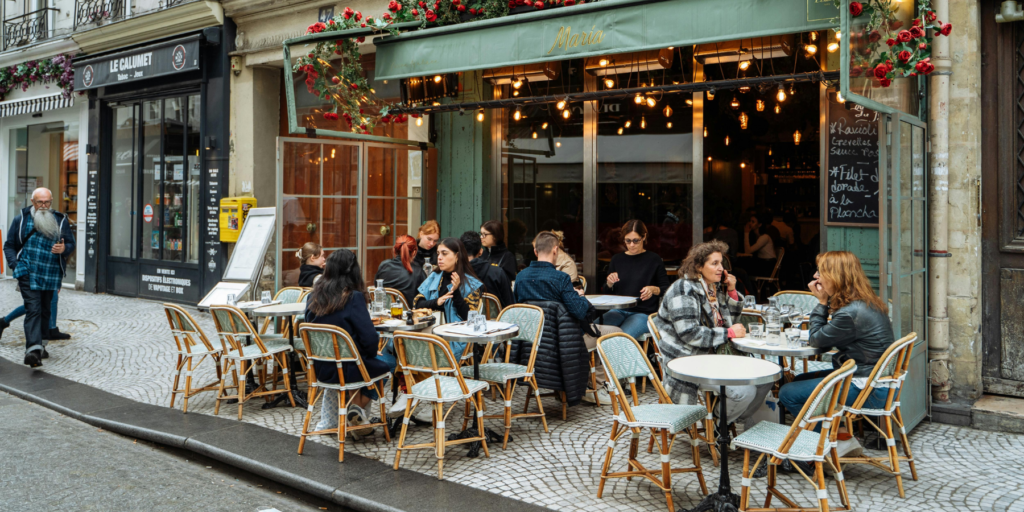
In France, politeness is a formal ritual. Walking into a shop, a cafe, or even a market stall without a ‘Bonjour’ or ‘Bonsoir’ sends a signal. To a French person, it reads the way cutting the line would read to an American. It is not seen as casual; it registers as a snub. The coldness that visitors sometimes experience is usually the response to having skipped this step without realizing it mattered.

The fix is simple: say Bonjour when you enter any establishment and Au revoir when you leave. That one gesture unlocks a warmer, more generous version of the interaction. Locals along our Paris to Normandy river cruise route are more welcoming than ever to visitors who extend that basic courtesy. This holds true from the smallest Normandy village to the Paris arrondissements.

French

Myth #2: Do French People Speak English?

English proficiency in France has risen significantly. In Paris, along the river cruise routes of the Seine, and in most tourist-facing contexts, many people speak English well. They’re happy to switch to it once the interaction has begun in French.

The key word is ‘once the interaction has begun in French.’ Leading with an English question — especially in a smaller town or market — can feel presumptuous. Lead with ‘Bonjour, parlez-vous anglais?’ and the response is almost always different from leading with ‘Do you speak English?’ It is a matter of tone and respect, not language barrier.

On guided river cruise excursions, this navigates itself naturally. Local guides handle the language, so you experience the cultural interaction without the awkwardness of working it out on your own.

French

Myth #3: Is France All About Paris?

Paris is extraordinary. It’s also one chapter of a much larger story. In my experience leading groups through France, the travelers who discover the regions beyond the capital are often the ones who fall most deeply in love with the country.

Normandy alone contains half-timbered market towns and apple orchards being harvested for cider and Calvados. It has Impressionist river landscapes that look exactly as Monet painted them, and coastline that ranges from the white chalk arches of Étretat to the solemn D-Day beaches. The pace of life in the French countryside is slower and more genuine. It’s more likely to produce the kind of unexpected moment that becomes a lasting memory.

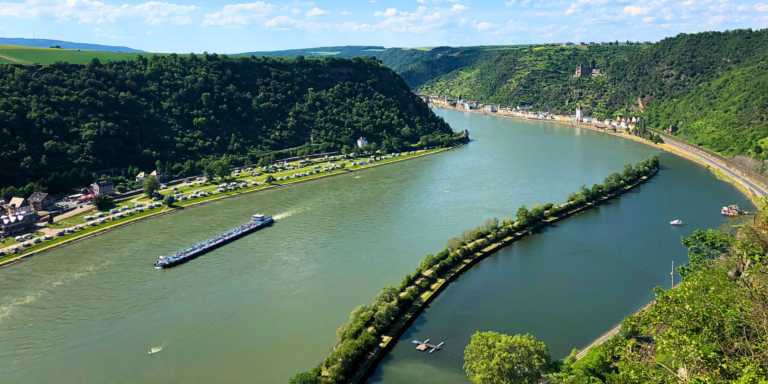
A river cruise along the Seine exists precisely to give travelers both. Paris is the starting point; Normandy is the revelation.

French

Myth #4: Is French Food Always Fancy and Complicated?

The white-tablecloth version of French dining exists and is magnificent. It is also not what most French people eat most of the time.

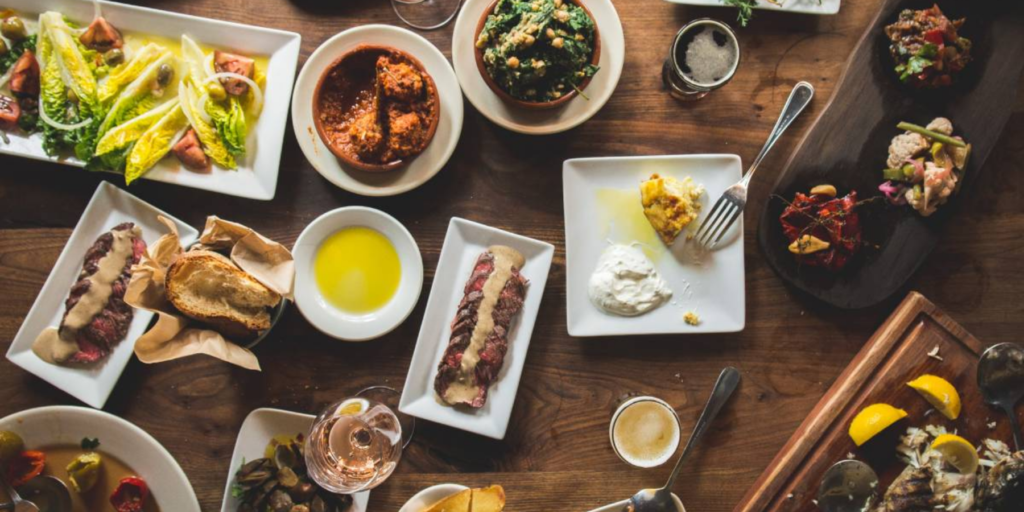
The current French food moment is what chefs and food writers are calling a ‘Small Plate Renaissance.’ It’s a return to simple, honest cooking: roasted chicken, artisanal cheeses, fresh radishes with sea-salt butter, slow-braised lentils with sausage. The bouillons of Paris — historic working-class restaurants that serve these dishes at long communal tables for very reasonable prices — are having a genuine revival. Queues now stretch around the block. This is grandma’s cooking elevated just enough to remind you why it became classic in the first place.

It is entirely possible to eat extraordinarily well in France for the cost of a casual meal anywhere else. The key is knowing which doors to open. That’s where having a knowledgeable guide — whether a local expert or a travel advisor who has been there many times — makes a real difference.

French

Myth #5: The French Are Stubbornly Anti-English

Related to Myth 1, but distinct: the idea that French people refuse to speak English out of cultural pride. It’s largely outdated. What is true is that they appreciate the gesture of trying, however brief, in their language. It signals respect rather than the assumption that the world should accommodate you.

A practical note: a few French phrases are worth knowing before a Seine river cruise or Paris stay. Bonjour (good morning/hello), Merci (thank you), S’il vous plaît (please), and Excusez-moi (excuse me) will carry you through almost every interaction. The effort, not the fluency, is what resonates.

French

What France Is Actually Like: A Travel Advisor's Honest Take

Across every group I have brought to France, the pattern is consistent. Travelers who arrive curious, courteous, and willing to follow local rhythms come home with a different version of France — one the mythology never quite captures. That means eating dinner at 7:30 rather than 5:30, saying Bonjour before anything else, and ordering the regional specialty rather than the familiar.

It is a country that rewards those who engage with it on its own terms. The food is genuinely extraordinary. The people are warm when approached warmly. And the regions beyond Paris — Normandy, Burgundy, the Loire — offer something else. It’s a slower, more personal experience than almost anywhere else in Europe.

If you are planning your first trip to France, or your tenth, a complimentary consultation is the right place to start. It ensures every detail reflects the real country rather than the clichés. I can tell you which village markets are worth a morning and which bouillons to book. I’ll also tell you which moments in Normandy you do not want to miss.

FAQ: French Etiquette and Travel Tips for First-Time Visitors

Are the French rude to American tourists?
Not inherently. The perception of French rudeness usually stems from a cultural etiquette difference. In France, entering any establishment without a greeting (Bonjour or Bonsoir) registers as impolite, and the response can feel cold without context. American travelers who greet staff and shopkeepers first consistently report warmer, more helpful interactions. The French are not rude — they are formal in ways that catch many visitors off guard.

Do people in France speak English?
Yes, increasingly so. In Paris, along the Seine river cruise corridor, and in most tourist-adjacent settings, English is widely spoken. The cultural preference is to begin an interaction in French. Even just ‘Bonjour, parlez-vous anglais?’ before switching to English makes a difference. This gesture is appreciated and almost always results in a more helpful response.

Is French food always expensive and complicated?
No. While haute cuisine is part of French culture, the everyday French food tradition is simple, ingredient-driven, and deeply satisfying. Bouillons — historic working-class Parisian restaurants — serve classic dishes like roasted chicken, steak-frites, and chocolate mousse at accessible prices. They are currently experiencing a genuine revival. Local bistros throughout Normandy and the Seine valley serve the same honest, homemade quality at similar prices.

What French phrases should I know before visiting France?
The four that matter most: Bonjour (hello/good morning), Merci (thank you), S’il vous plaît (please), and Excusez-moi (excuse me). Use Bonjour every time you enter a shop, cafe, or market stall. Adding Au revoir when leaving is also appreciated. Fluency is not the goal — the effort to acknowledge the local language is what French people respond to positively.

Is there more to France than Paris?
Significantly. Normandy alone offers the D-Day landing beaches, Monet’s gardens at Giverny, the chalk cliffs of Étretat, and the medieval city of Rouen. It also has some of the best apple cider and Calvados in the world. A Seine river cruise from Paris to Normandy travels through the exact landscapes that Impressionist painters came to capture. It deposits you in a version of France that most visitors who stay in Paris never see.

.
- Discover Inspiration for Your Next Adventure -

Scroll to Top