River Cruise Girl

Is Egypt Safe to Travel? What to Know Before Your Nile River Cruise

Untitled design (55)

The question I hear most often from travelers thinking about Egypt isn’t about which temples to visit. It isn’t about which river cruise line to book, either. It is one question, asked a dozen different ways: is Egypt safe?

I take that question seriously, and I want to give you a straight answer rather than a cheerful dismissal. Egypt is a destination I recommend, and I only recommend destinations I have done the work to understand. So here, then, is what I actually tell my travelers when “is Egypt safe” comes up in a planning call.

Is Egypt Safe for American Tourists?

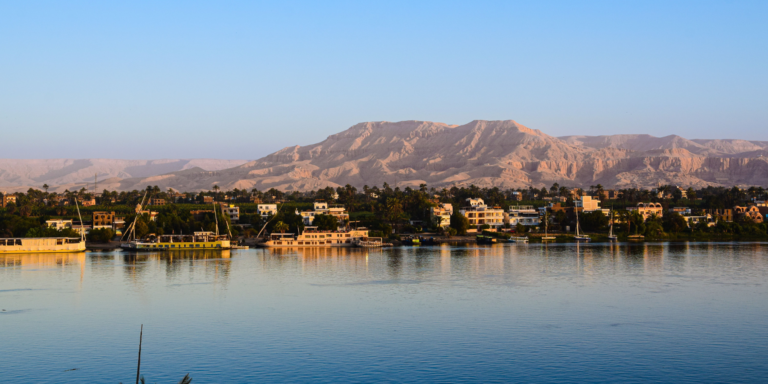
The short answer is yes. That’s particularly true for the Nile river cruise corridor between Luxor and Aswan, where most organized travel takes place.

Egypt has a large, well-established international tourism industry. It has, in fact, hosted millions of visitors from the United States and Europe for decades. The Egyptian government maintains a visible security presence at all major tourist sites. This includes uniformed Tourism Police at the temples, archaeological sites, and airports. These are not signs of an unsafe environment. They are, instead, signs of an infrastructure built specifically to protect visitors.

The US State Department issues travel advisories for every country in the world. I, therefore, always check the current advisory before I send any group anywhere. I encourage you to do the same before booking any international trip, Egypt included. The State Department’s advisory for Egypt is updated regularly. It reflects current conditions more accurately than anything I can tell you in a blog post.

Here’s what I can tell you, from experience and from clients who have traveled there. The Nile cruise environment itself is calm, organized, and focused entirely on the ancient sites you came to see.

How Far Is the Nile Cruise Corridor from Regional Conflict Areas?

This is the geography question that matters most for anyone concerned about regional instability.

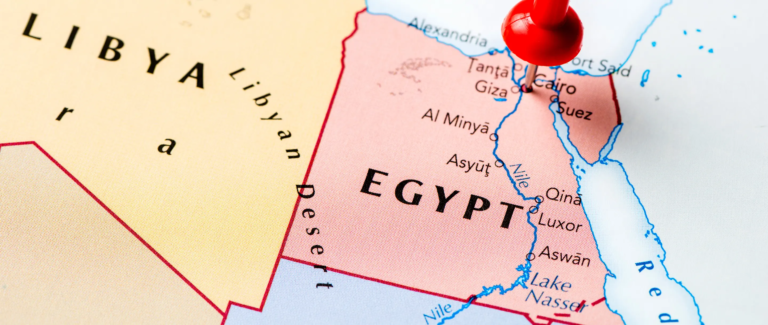
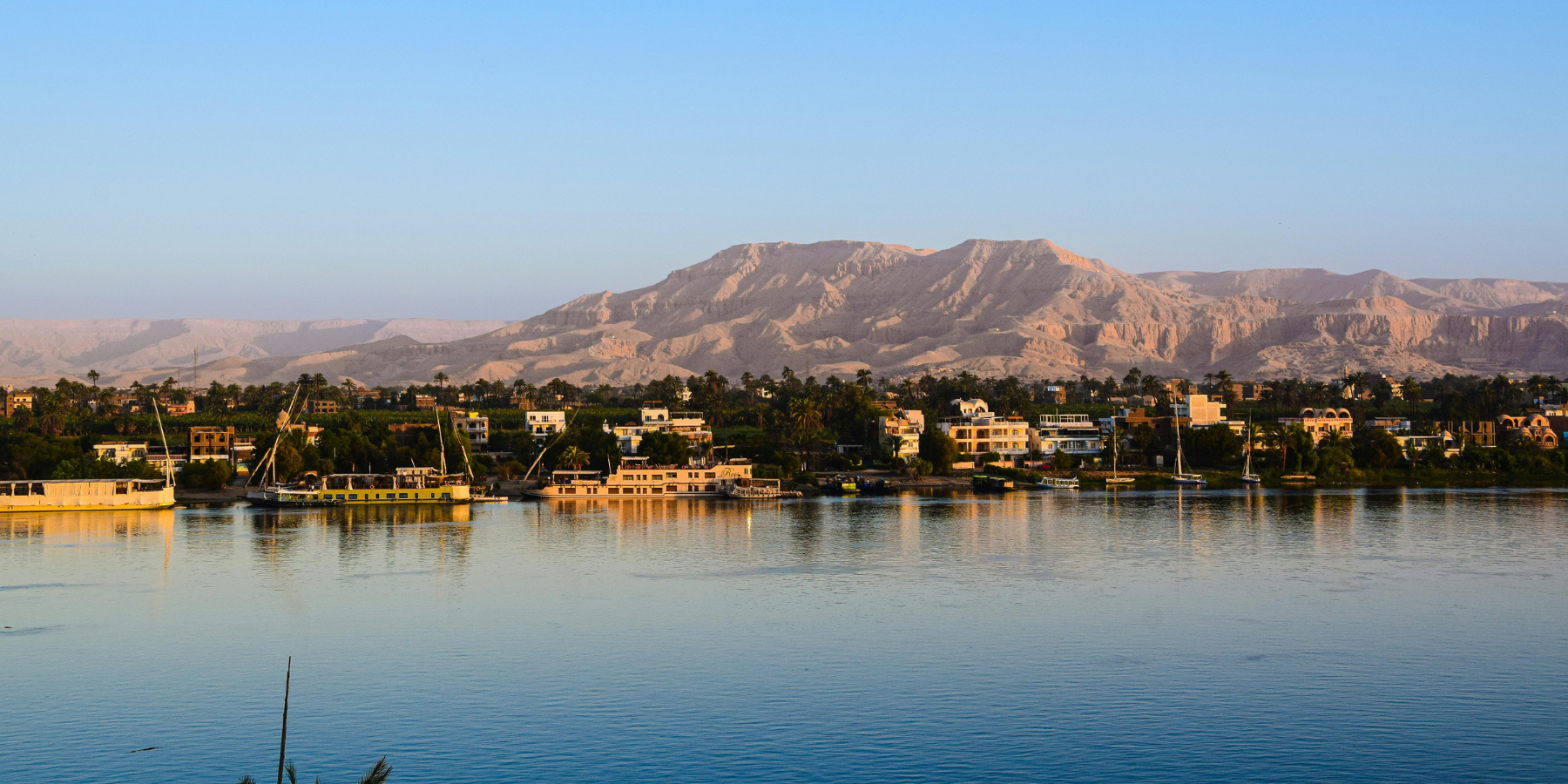
The primary Nile river cruise corridor runs between Luxor and Aswan in Upper Egypt, in the southern portion of the country. This region is geographically distant from Egypt’s borders with Israel, Gaza, and Libya, which is where regional tensions are concentrated. The distance between Aswan and the Israel-Gaza border, specifically, is roughly 600 miles. The terrain between them is the Eastern Desert and the Sinai Peninsula. Neither of these, in fact, is on a Nile river cruise itinerary.

I am not telling you that the Middle East is without complexity. Instead, I am telling you this: a traveler sailing the Nile between Luxor and Aswan is not in the vicinity of any of the areas that generate safety concerns in the news. These are two different geographies that happen to be in the same region of the world. Treating them as equivalent, unfortunately, is what causes otherwise capable travelers to miss a trip they would have loved.

What Security Looks Like on a Nile River Cruise

Security on a well-run Nile river cruise is structured and visible, which I find reassuring rather than alarming.

You will pass through security screening before entering every major temple and archaeological site on the Nile corridor. That includes Karnak, the Valley of the Kings, Edfu, Kom Ombo, and Philae. This typically includes bag scanning and, occasionally, a metal detector, similar to airport security. The Egyptian authorities have maintained this system for years, and the process moves efficiently.

The ships themselves dock in guarded areas, and reputable cruise lines maintain strict onboard security standards. Your group transfers between the ship and sites are coordinated in advance, typically in private vehicles. This removes the need to navigate local transportation independently.

I select my Egypt cruise partners specifically because of how they handle these logistics. The level of organization behind a good Egypt group trip matters. As a result, travelers rarely encounter the moments of uncertainty that can make an unfamiliar destination feel uncomfortable.

Petty Crime: What to Be Aware Of

The same common sense that applies in Paris, Rome, or any major city applies in Cairo and at the major Egyptian sites.

Keep your wallet in a front pocket or secure bag. Do not leave valuables unattended. Be aware of your surroundings in crowded areas, particularly near the Pyramids of Giza and in the Khan el-Khalili bazaar in Cairo. Both attract large numbers of visitors — and, consequently, the opportunistic petty theft that large visitor concentrations invite everywhere in the world.

The Nile cruise corridor itself (Luxor, Aswan, the temples between them) is, overall, a much calmer environment than Cairo’s busiest tourist areas. The sites are organized, the visitors are largely on guided tours, and the general atmosphere is unhurried.

Health and Water Safety on the Nile

This is the practical concern that matters most for your physical comfort, and I want to be direct about it.

Drink only bottled or purified water throughout your time in Egypt. This means bottled water for drinking and brushing your teeth, not tap water. The most common health complaint among Egypt visitors is gastrointestinal illness. Travelers with a sense of humor about it sometimes call it “Pharaoh’s Revenge.” It is, however, preventable.

Reputable Nile cruise ships and the hotels I use for pre- and post-cruise nights are careful about food safety. That means purified water for cooking and washing produce, and careful sourcing of ingredients. Staying with a well-run cruise line and a well-organized itinerary significantly reduces this risk. Compare that to independent travel, where you are making your own restaurant choices throughout the trip.

If you have specific health considerations or take medications that require refrigeration, I can help you think through the logistics. This is, specifically, part of what I do before anyone in my group departs.

The Honest Bottom Line

So, is Egypt safe? Yes, for the traveler who prepares well and travels with the right support. It is not, however, a destination I would recommend for completely independent first-time visitors who want to figure things out on arrival.

That is exactly what my Egypt group trips provide. If you have been hesitating because of safety concerns, I’m happy to help. I’ll walk you through the specifics of how I plan these trips, and what safeguards are in place. Reach out for a complimentary consultation. Let’s, then, have a real conversation about whether this is the right trip for you right now.

Frequently Asked Questions: Egypt Travel Safety

Is Egypt safe for American tourists in 2026?
Egypt has a well-established international tourism infrastructure and welcomes millions of visitors from the United States and Europe each year. The US State Department issues current travel advisories for Egypt that I recommend checking before booking any trip. The Nile river cruise corridor between Luxor and Aswan is where organized cruise itineraries take place. It has maintained consistent operations, and it’s geographically distant from the regional tensions that generate news coverage. I monitor travel conditions for every destination I send groups to. I would not, therefore, be offering Egypt departures if I did not feel confident recommending it.

How far is the Nile cruise from conflict areas in the Middle East?
The primary Nile cruise corridor runs between Luxor and Aswan in southern Egypt. That’s approximately 600 miles from Egypt’s border with Israel and Gaza. The region between the Nile corridor and these borders is uninhabited desert. The tourism zone where Nile cruises operate is, consequently, a separate geographic and security environment from the areas that generate regional concern.

What should I drink on a Nile river cruise?
Drink only bottled or purified water throughout your Egypt trip, including for brushing your teeth. Reputable Nile cruise lines use purified water for cooking and produce washing. The most common health issue for Egypt visitors is gastrointestinal illness, which is largely preventable by being consistent about bottled water. The cruise lines and hotels I partner with are careful about food safety, which reduces this risk significantly compared to independent travel.

What does security look like at Egyptian archaeological sites?
All major temples and archaeological sites on the Nile corridor use security screening, including bag scanning and sometimes metal detectors, before entry. This is a standard, efficient process that moves quickly. Egypt’s Tourism Police, meanwhile, maintain a visible presence at all major sites. The security infrastructure at Egypt’s tourist destinations has been in place for many years. It’s a sign, ultimately, of how seriously the Egyptian government takes the protection of its international visitors.

- Discover Inspiration for Your Next Adventure -

Scroll to Top