River Cruise Girl

Nile River Cruise: The History, the Temples, and What to Expect

Nile River

The Nile river cruise is unlike any other sailing in the world, and the reason is not the ship or the itinerary. It is the river itself.

When you sail the Nile, you are traveling the same water that sustained one of the most extraordinary civilizations in human history. The pharaohs built their temples along this corridor. Cleopatra sailed it. Tutankhamun’s funeral procession crossed it. The water beneath your stateroom window has carried all of that, and it carries you through all of it now.

If Egypt has been sitting at the top of your list, this post will help you understand exactly what a Nile river cruise covers, what you will see at the major stops, and why the water is still the best way to get there.

The History of the Nile: Why This River Made Egypt Possible

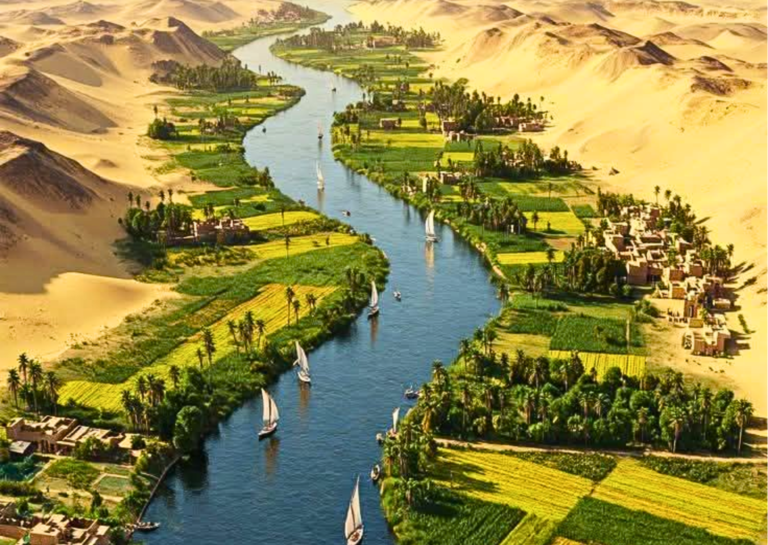
The ancient Egyptians called their country “Kemet,” meaning “Black Land.” They were not referring to the desert that surrounds Egypt on every side. They were referring to the thin strip of extraordinarily fertile black soil left by the Nile’s annual flood, called the inundation.

That annual flooding was not a disaster. It was a scheduled event, as reliable as the calendar, and it was the foundation of everything.

The Nile as farmland. Beyond that narrow strip of flood-enriched soil, Egypt is all desert. The entire agricultural output of one of the ancient world’s most powerful civilizations depended on a corridor of land that in some stretches was only a few miles wide. Without the Nile’s annual deposit of dark, nutrient-rich mud, there were no crops, no surplus, no state.

The Nile as a highway. The same water that fed Egypt also connected it. The massive limestone blocks used to construct the pyramids at Giza were floated on the Nile from quarries hundreds of miles away. The orientation of the temples along the river was not accidental. They were designed to face the water because the water was where people came from. The current ran north, and the prevailing winds ran south, which meant Egyptian boats could travel in either direction simply by raising or lowering a sail.

The Nile as a calendar. The Egyptians structured their entire year around the river: the flood season, the growing season, and the harvest. Every major cycle of Egyptian life was synchronized with the river’s behavior. When travelers ask me why the Nile feels different from other river cruises, this is part of the answer. Every other river you sail is a backdrop. The Nile was a civilization’s operating system.

What You Will See on a Nile River Cruise: Luxor

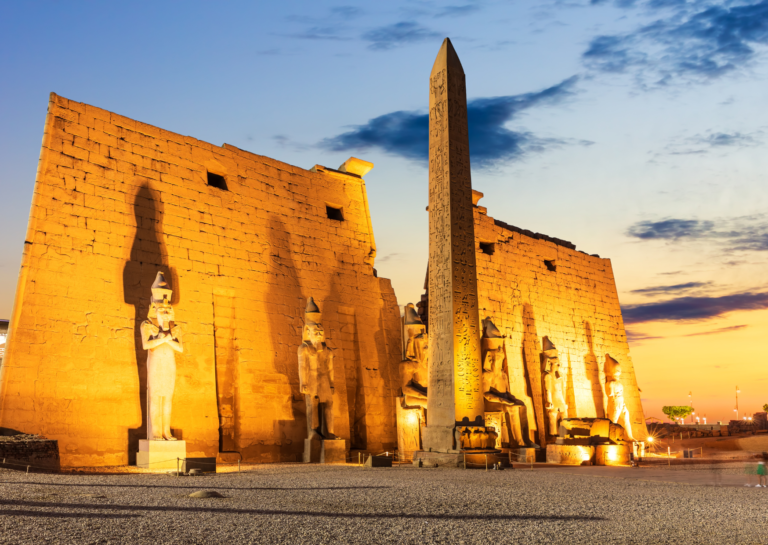
Luxor is where the river cruise typically begins or ends, and it is the most archaeology-dense city on earth. That is not a casual claim. The East Bank alone contains Karnak Temple and Luxor Temple, two of the largest religious complexes ever constructed. Karnak took more than 2,000 years to build, with successive pharaohs adding pylons, obelisks, and sanctuaries across generations.

The West Bank is where the Valley of the Kings sits. This is the burial ground of the New Kingdom pharaohs, including Tutankhamun, Ramses II, and Hatshepsut. The tombs are cut directly into the limestone cliffs, decorated floor-to-ceiling with hieroglyphic texts and paintings that have retained their color for more than 3,000 years.

I always tell the travelers in my groups: keep the Valley of the Kings unhurried. The temptation is to move quickly from tomb to tomb checking names off a list. The experience of standing inside one tomb and actually reading the walls, with a good Egyptologist explaining what you are looking at, is worth more than rushing through six.

What You Will See on a Nile River Cruise: Aswan

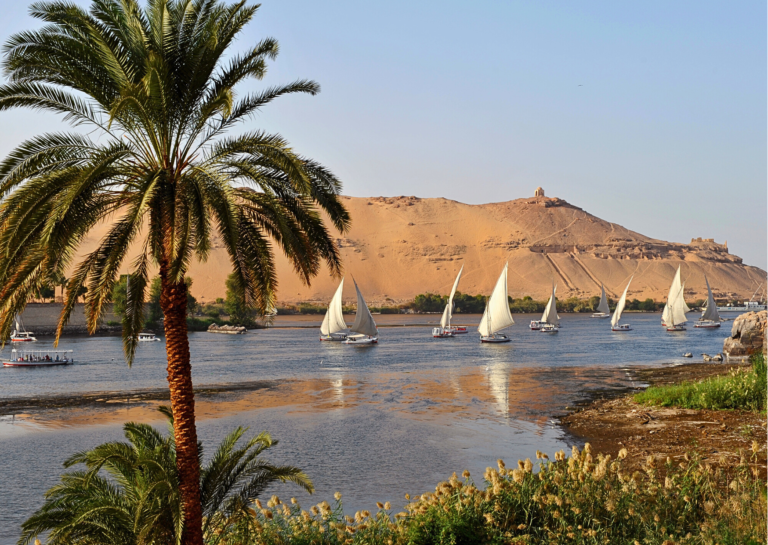
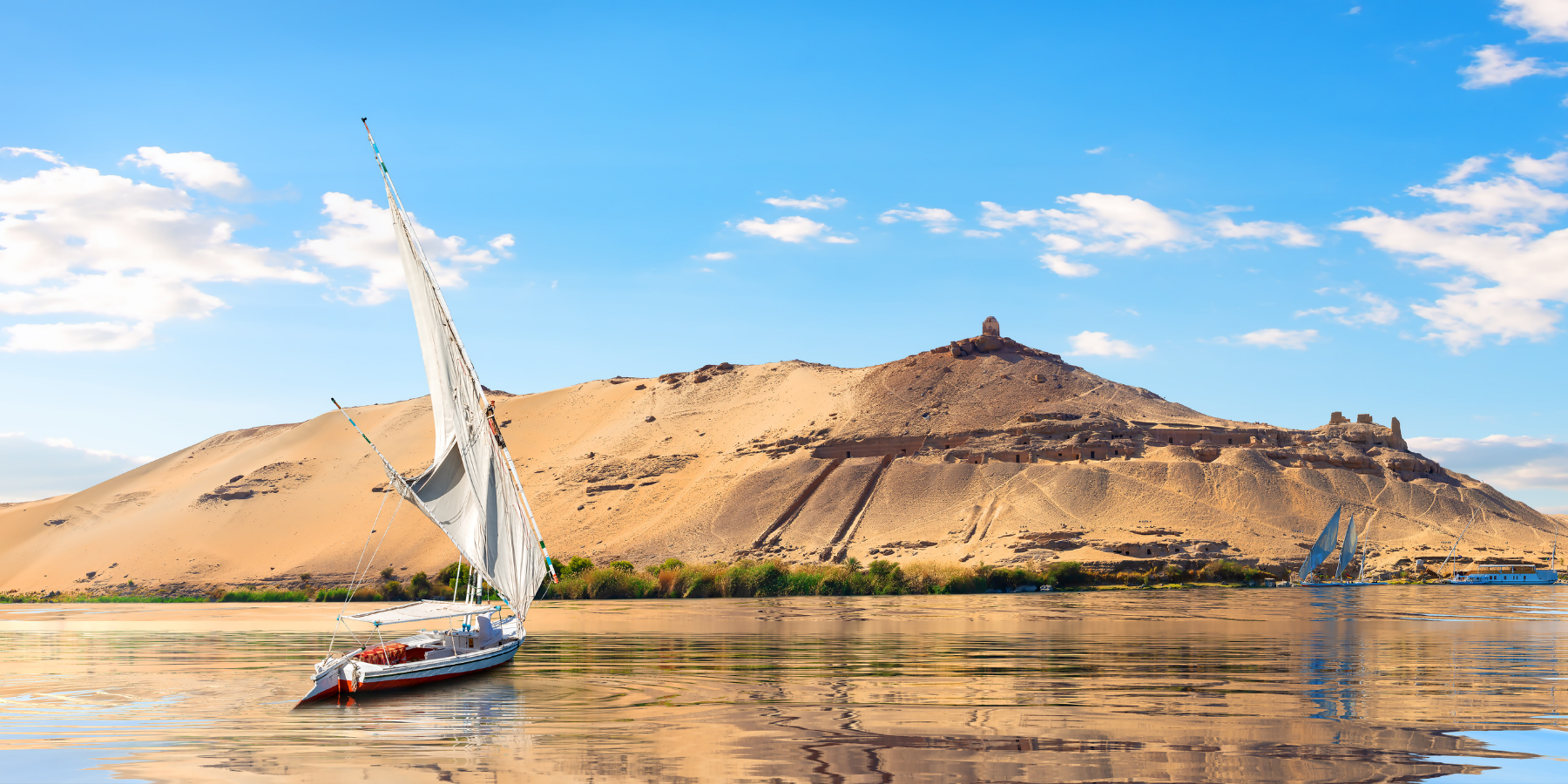
Aswan sits further south, and the pace of the city is noticeably different from Luxor. The Nile is wider here, dotted with felucca sailboats and small islands. The quality of light in Aswan in the late afternoon turns everything a deep amber, and it is one of the most photographed stretches of the entire river.

The Philae Temple complex, relocated in the 1960s to save it from the rising waters of the Aswan High Dam, sits on an island in Lake Nasser. Reaching it requires a short boat transfer, which adds to the experience rather than complicating it. The temple is dedicated to the goddess Isis and remained a center of active worship longer than almost any other ancient Egyptian religious site.

The Aswan High Dam itself is worth a brief stop, not for its beauty but for the context it provides. Understanding how dramatically the river has been engineered in the modern era, and what was sacrificed to do it (including several temples that could not be relocated), gives the ancient monuments you have just visited a different kind of weight.

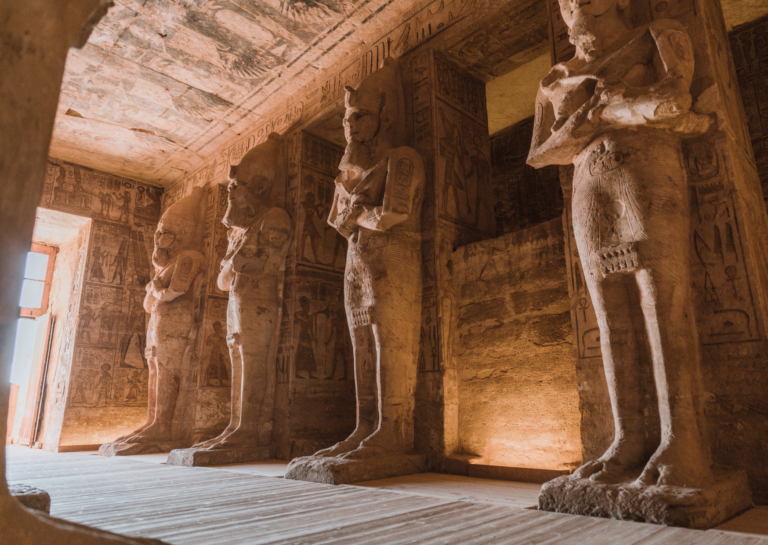
Abu Simbel: The Excursion Worth Building Your Itinerary Around

Luxor is where the river cruise typically begins or ends, and it is the most archaeology-dense city on earth. That is not a casual claim. The East Bank alone contains Karnak Temple and Luxor Temple, two of the largest religious complexes ever constructed. Karnak took more than 2,000 years to build, with successive pharaohs adding pylons, obelisks, and sanctuaries across generations.

The West Bank is where the Valley of the Kings sits. This is the burial ground of the New Kingdom pharaohs, including Tutankhamun, Ramses II, and Hatshepsut. The tombs are cut directly into the limestone cliffs, decorated floor-to-ceiling with hieroglyphic texts and paintings that have retained their color for more than 3,000 years.

I always tell the travelers in my groups: keep the Valley of the Kings unhurried. The temptation is to move quickly from tomb to tomb checking names off a list. The experience of standing inside one tomb and actually reading the walls, with a good Egyptologist explaining what you are looking at, is worth more than rushing through six.

Why a River Cruise Is the Right Way to See All of This

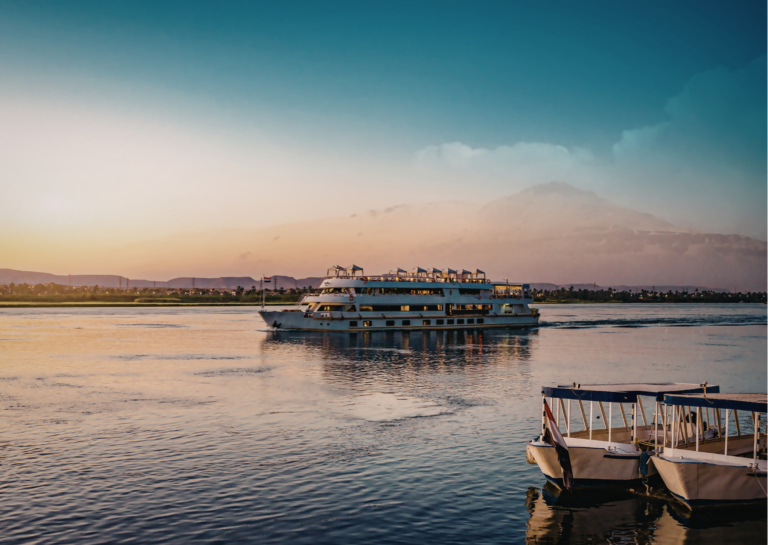
The Nile cruise corridor between Luxor and Aswan puts the major temples within reasonable excursion distance of the ship at every stop. You are not managing hotel transfers, repacking bags, or navigating transportation logistics between cities. The ship is your base throughout, and it moves while you sleep.

The other reason the cruise works better than a land tour for this particular destination is pace. Egypt’s heat in summer can exceed 100 degrees Fahrenheit at the major sites, all of which are outdoors. A cruise built around morning excursions, with afternoons on the ship or at poolside, manages that heat more intelligently than an itinerary that keeps you moving city to city through the hottest part of the day.

I have structured my Egypt group trips to take advantage of exactly this. Early starts at the sites, expert guides who keep explanations focused rather than exhaustive, and enough time to actually absorb what you are seeing rather than just photograph it.

If you are thinking about Egypt and want to understand what my group trip looks like in practice, I would love to help you think it through.

Before you start planning any river cruise, including the Nile, download my complimentary guide: The Top 10 Mistakes to Avoid When Planning Your River Cruise. It will save you time and help you ask the right questions before you commit.

Frequently Asked Questions: Nile River Cruise

What is the difference between a Nile river cruise and a European river cruise?
The most significant difference is the nature of what you are seeing from the ship. European river cruises pass through living cities, vineyards, and medieval towns. A Nile river cruise travels between archaeological sites that in some cases have not changed substantially in 3,000 years. The Nile corridor between Luxor and Aswan is also more remote and more dependent on a well-organized itinerary than European rivers, which is why I structure my Egypt trips as guided group experiences rather than independent sailings.

What temples are included on a Nile river cruise?
A standard Nile river cruise between Luxor and Aswan typically includes Karnak Temple, Luxor Temple, the Valley of the Kings, the Temple of Hatshepsut at Deir el-Bahari, Edfu Temple, Kom Ombo Temple, and the Philae Temple complex near Aswan. Many itineraries also offer an optional excursion to Abu Simbel. The specific sites vary by cruise line and itinerary length.

How long does a Nile river cruise take?
Most Nile river cruises run 7 nights on the water, typically sailing between Luxor and Aswan or in reverse. With a Cairo extension at the beginning or end (which I strongly recommend to include the Pyramids of Giza and the Grand Egyptian Museum), the full trip runs 10 to 12 days. I plan my Egypt group trips to include adequate time at each stop rather than rushing the itinerary.

Is a Nile river cruise physically demanding?
It depends on how you structure the excursions. The archaeological sites involve significant outdoor walking on uneven terrain, often in heat. The Valley of the Kings requires walking between tombs across a sun-exposed plateau. A well-organized group trip builds in appropriate pacing, shaded rest points, and excursion timing that avoids the worst of midday heat. I confirm the physical logistics at every stop before my groups depart, so travelers know exactly what to expect.

- Discover Inspiration for Your Next Adventure -

Scroll to Top