River Cruise Girl

Nile River Cruise: Why a Group Trip Is the Best Way to See Egypt

Egypt

If Egypt has been sitting on your list for years, you are not alone. The pyramids, the temples, the Nile itself — this is one of the most historically significant destinations on earth, and I hear from travelers thinking about it constantly.

I know a lot of travelers value independent travel, and I respect that instinct completely. But Egypt is genuinely different from most destinations, and after planning multiple trips there, I have a clear view of what makes the difference between a trip that overwhelms and one that delivers everything you hoped for. A well-organized group trip on the Nile is, in my view, the right way to do this for the first time. Here is exactly why.

What You Will See on a Nile River Cruise

Before getting into the logistics, it helps to understand what a Nile river cruise actually covers, because the destinations are remarkable.

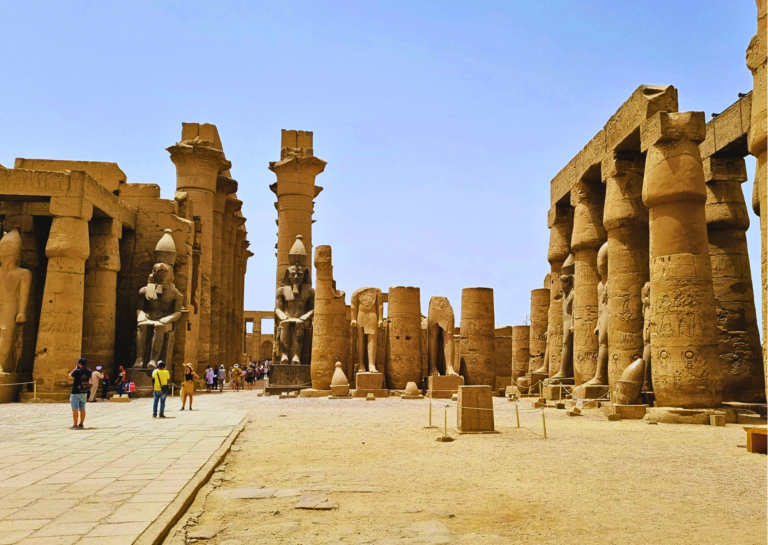
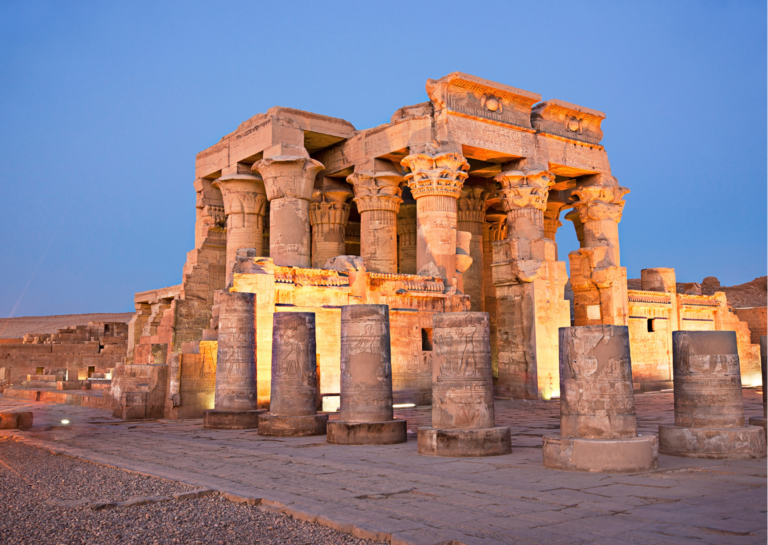
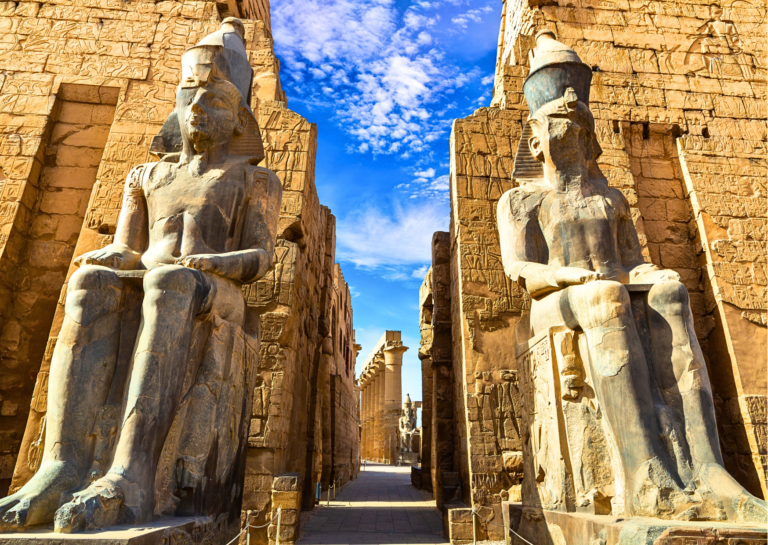
The classic Nile cruise runs between Luxor and Aswan, two of the most archaeology-dense cities in the world. In Luxor, you will visit the Karnak Temple complex, one of the largest religious structures ever built, and the Valley of the Kings, where the tombs of pharaohs including Tutankhamun were carved into the limestone cliffs. In Aswan, the pace slows slightly, and the Philae Temple rising from the water of Lake Nasser is one of those sights that stops you mid-sentence.

Many itineraries also include an excursion to Abu Simbel, the twin temples of Ramses II relocated in one of the great engineering feats of the 20th century to save them from the rising waters of the Nile dam. If Abu Simbel is offered on your itinerary, take it. You will not regret it.

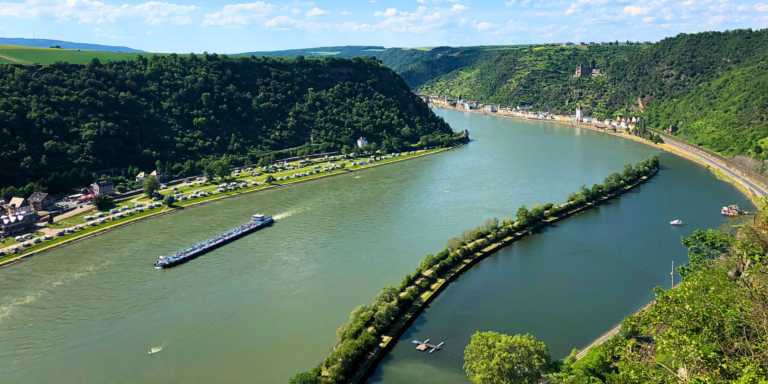
The ship itself is your base throughout. Each morning you wake up somewhere new, without having repacked. That same effortless rhythm that makes European river cruising so appealing works just as well on the Nile.

1. I Handle the Logistics So You Do Not Have To

Planning a trip to a country with a different language, currency, and transportation system takes real time and carries real risk of getting it wrong. International flights, domestic connections, transfers between sites in the heat, and the constant question of whether you are paying a fair price — these are not small concerns on a trip of this complexity.

My job is to handle all of that before you ever pack a bag. By the time you board your flight, every transfer, every connection, and every hotel night is confirmed and waiting for you. You focus entirely on the experience.

For travelers who are retired and traveling to see the world, not to manage logistics, this matters more than almost anything else.

2. Your Own Personal Egyptologist

Egypt is an archaeological wonderland, but the sites reveal almost nothing without context. Standing in the Valley of the Kings without understanding the Egyptian belief in the afterlife, the role of the pharaoh, or the centuries of tomb robbing that shaped what survived — you are looking at stone. With context, you are standing inside one of the greatest stories in human history.

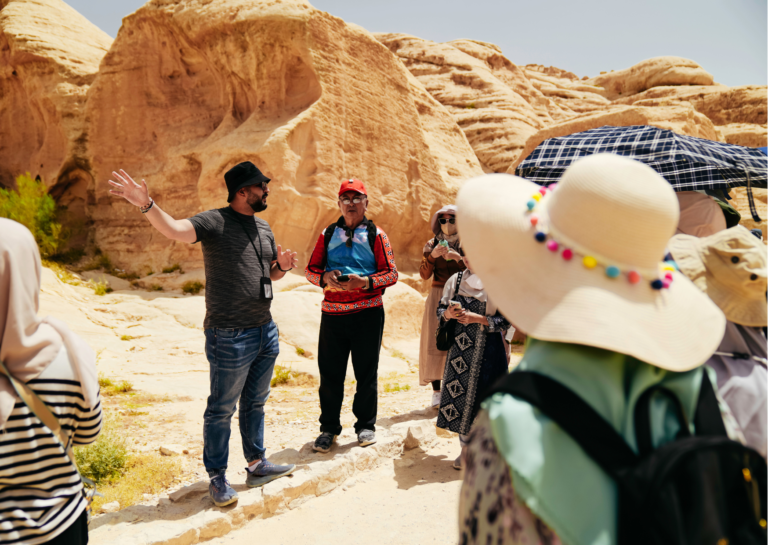
Every trip I plan includes highly qualified Egyptologists whose job is to bring that context to life for you at every site. These are not generic tour guides reading from a script. They are scholars who have spent careers studying this material, and the difference between having one with you and reading a guidebook is the difference between a trip that changes how you see the world and one that just gives you good photographs.

Hiring a knowledgeable independent guide in Egypt last-minute is possible, but the quality is inconsistent. I have already done that vetting for you.

3. Exclusive Rates and Group Value You Cannot Access on Your Own

When I plan and book for a group, we unlock rates and offers that are simply not available to individual travelers booking the same itinerary independently. This is not a marketing claim — it is how group travel economics work, and it is one of the most tangible benefits of traveling with me.

The specific offers available depend on timing and the cruise line, but in my experience, group travelers consistently access better value than they would booking on their own, often significantly so.

4. Pre-Booked Access at Egypt's Most Popular Sites

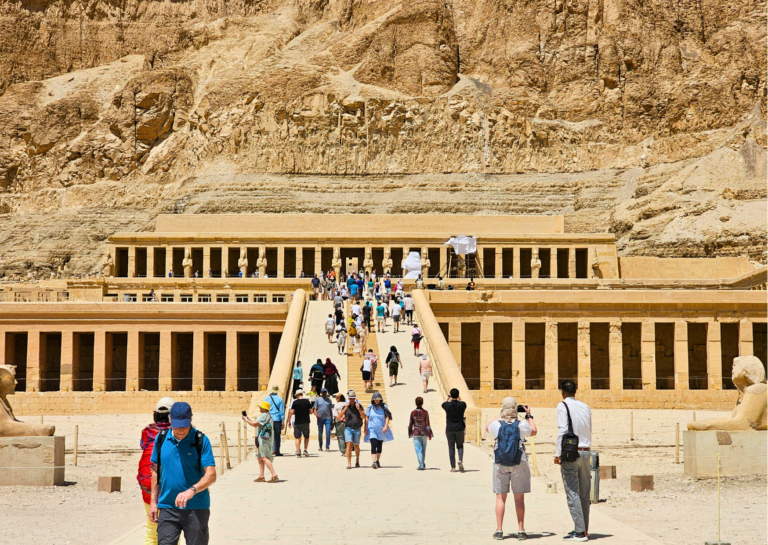
Egypt’s major archaeological sites attract visitors from around the world, and the summer heat makes waiting in long entrance lines genuinely unpleasant. Temperatures in Luxor regularly exceed 100 degrees Fahrenheit, and standing in sun-exposed queues for an hour before entering a site is not how anyone wants to spend their time in the Valley of the Kings.

Our tour operators pre-book timed entry to the major sites, which means we move directly in on arrival. No queuing at Karnak. No waiting at the Valley of the Kings. The time we save goes directly into the sites themselves.

All domestic transfers between the airport, the ship, and between destinations are also pre-arranged in comfortable, air-conditioned vehicles. From the moment you land in Egypt to the moment you depart, the logistics move smoothly.

5. A Layer of Security and Support Throughout

Egypt is a welcoming country with a well-established tourism infrastructure, and millions of international visitors travel there safely every year. At the same time, navigating a destination this different from home — different language, different customs, different currency, different transportation norms — is simply easier and more enjoyable when you have experienced, knowledgeable people around you.

Our guides know the terrain, know the operators, and know how to handle the unexpected. That institutional knowledge matters. I want you focused entirely on the experience, not on second-guessing whether you are where you are supposed to be.

Why I Plan Every Egypt Trip This Way

I handle the behind-the-scenes work of identifying the right cruise line, the right dates, the right local partners, and the sites that belong on every itinerary. That process takes real time and draws on real experience, and it is what I bring to every group departure.

If you are curious about exactly how I choose the cruise line and dates for my Egypt trips, I am happy to walk you through it. Reach out for a complimentary consultation and we will talk through whether this trip is the right fit for you.

Frequently Asked Questions: Nile River Cruise Group Travel

Is a Nile river cruise safe for American travelers?
Yes. Egypt has a well-established international tourism industry, and millions of visitors from the United States and Europe travel there safely each year. Traveling with an organized group adds a meaningful additional layer of support, with guides who know the country, established relationships with local operators, and pre-arranged logistics that reduce the decisions you need to make on the ground. I monitor travel conditions for every destination I send groups to, and I would not be offering Egypt departures if I did not feel confident recommending it.

What is included in a Nile river cruise group trip?
Inclusions vary by cruise line and itinerary, but a well-organized Nile group trip typically covers accommodations on the ship, all meals, pre-booked site entries (Karnak, Valley of the Kings, Philae Temple, and others), ground transfers between airports and the ship, and a qualified Egyptologist guide throughout. Group rates negotiated in advance often include additional value not available to individual bookers. I go through every line item with my travelers before they commit.

What is the best time of year to take a Nile river cruise?
October through April is generally the most comfortable season for a Nile river cruise. Temperatures in Luxor and Aswan are significantly lower than the summer months, when midday heat regularly exceeds 100 degrees Fahrenheit. Winter sailings (December through February) are particularly popular, with mild daytime temperatures and cool evenings. I can help you identify the right timing based on your schedule and what matters most to you.

How long is a typical Nile river cruise?
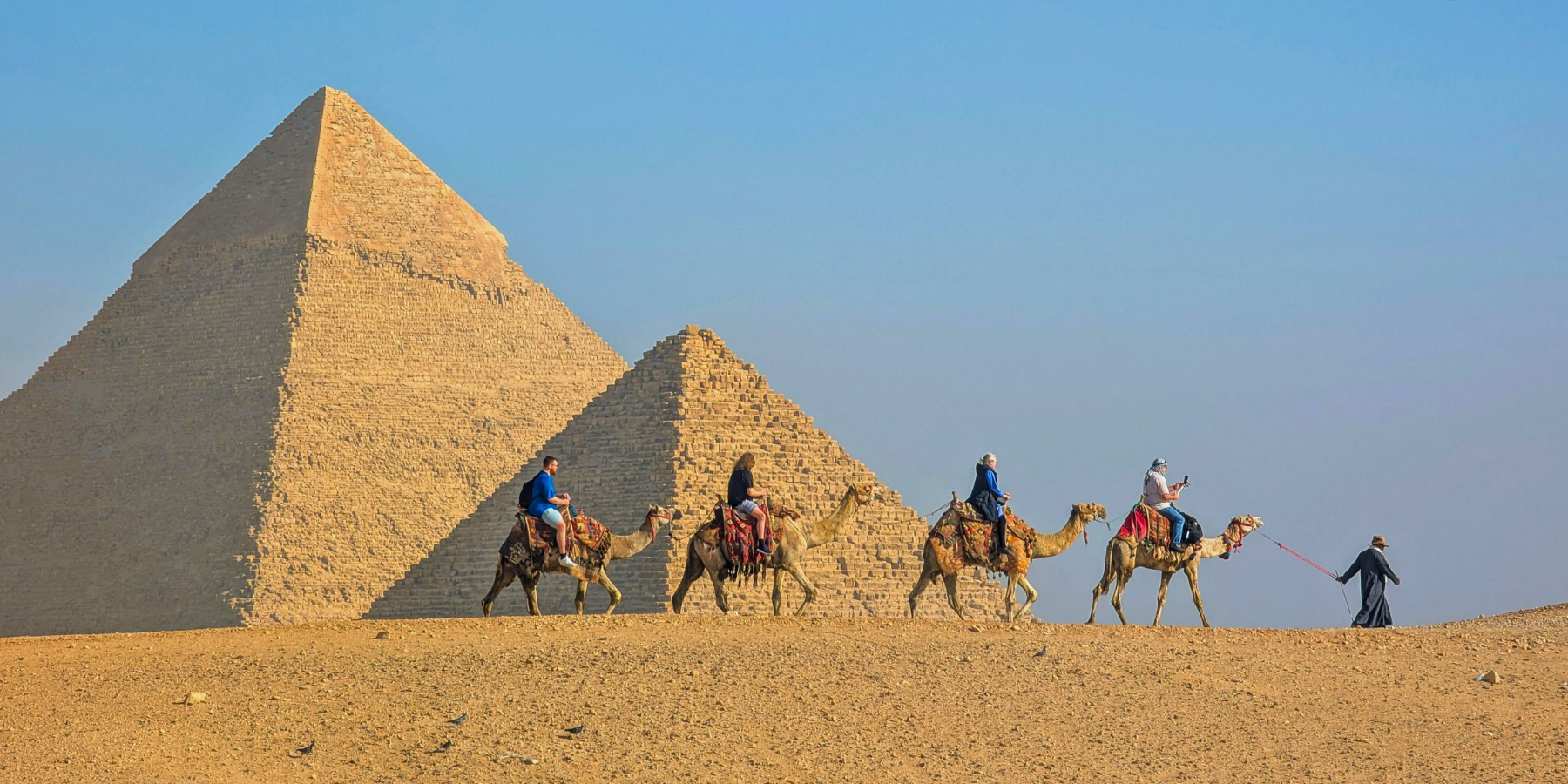
Most Nile river cruise itineraries run 7 to 10 nights, typically traveling between Luxor and Aswan (or in reverse). Many programs add days before or after the sailing for Cairo, including the Pyramids of Giza and the Egyptian Museum. The right length depends on how much you want to see and how much pace matters to you.

- Discover Inspiration for Your Next Adventure -

Scroll to Top